 Back to Exhibitions


“The Most Normal Person in the World” — that could be the title of a biopic about a contemporary artist. Like any other normal person, the artist is surrounded on all sides by content on social media, advertising on the streets and in the media; he watches films and TV series, listens to music, and, hopefully, reads books and visits exhibitions of classical and contemporary art. Like any other normal person, the artist integrates into his daily life these results of someone else’s creativity — anonymous or authored, spinning around us and on their own axis, interrupting and replacing one another, complete and autonomous in form — he uses them, employs them, derives benefit from them. All of us, by consuming culture, engage in micro-piracy at the zero degree; Sasha Kupriyanov, however, delves into postproduction.
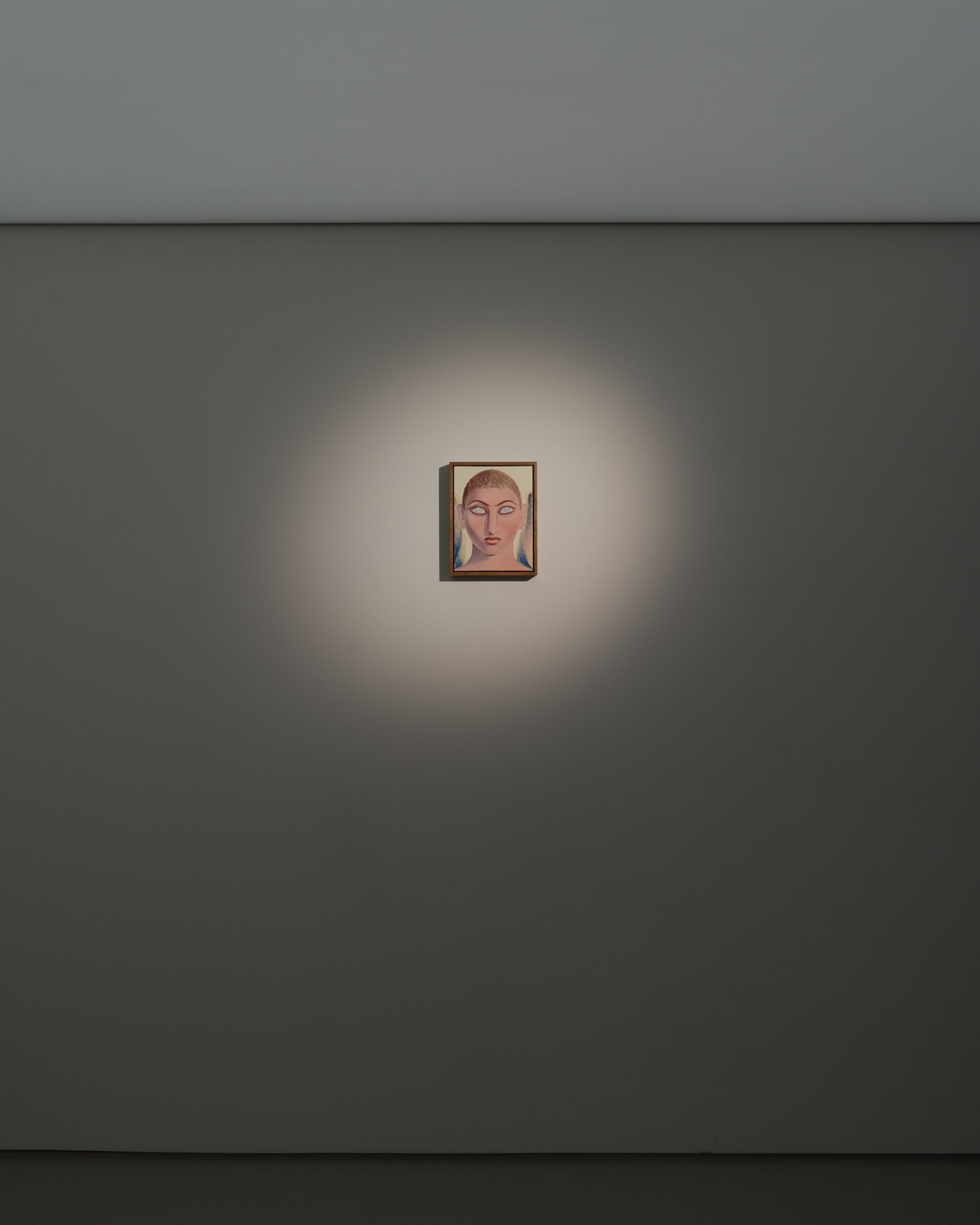
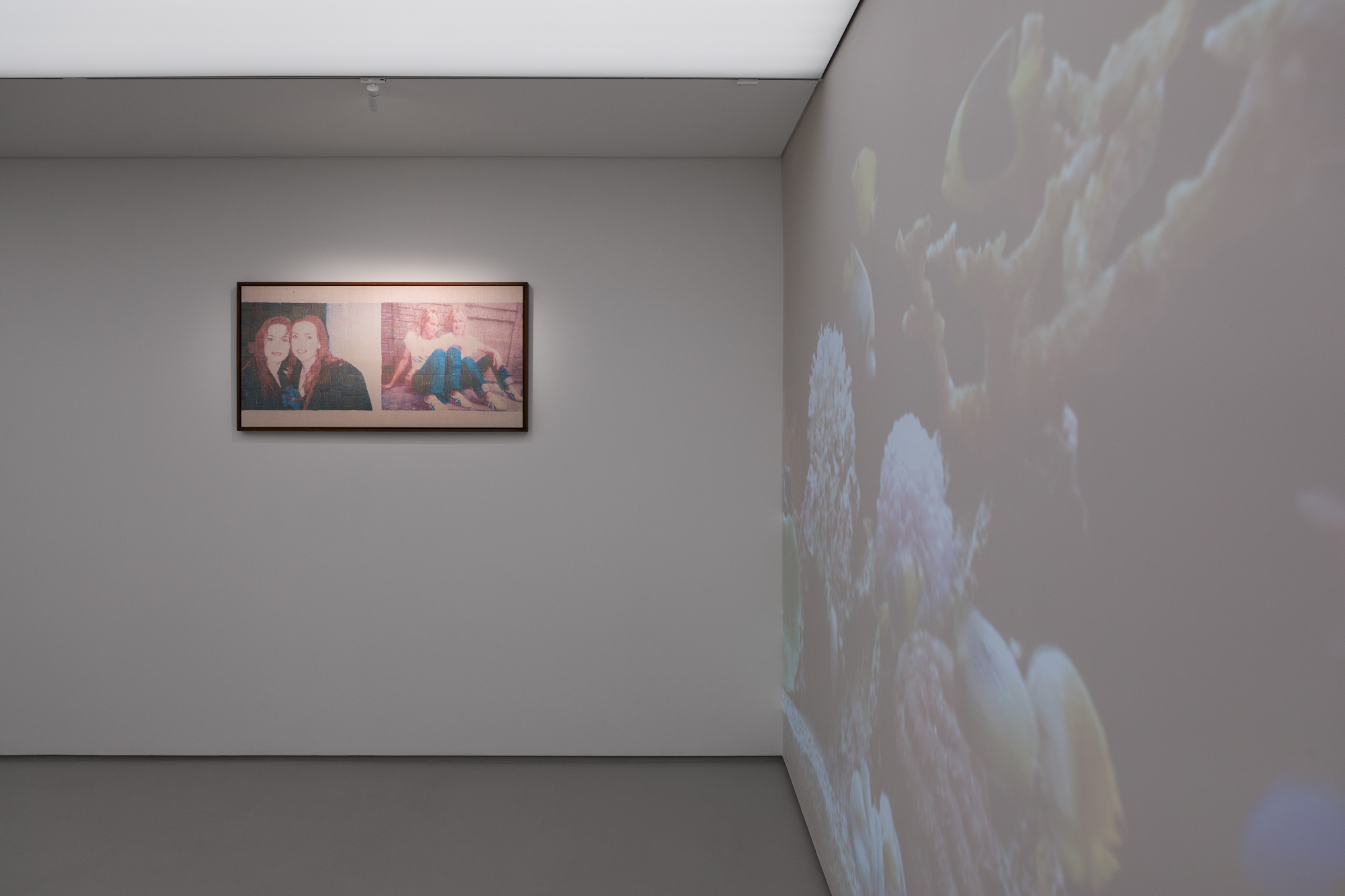
Postproduction — a term from film and video production, the stage of creating a movie or video clip during which the final processing of the material takes place. Sasha’s source materials include stills from the film The Piano Teacher (2001), photographs of Kate Moss and Vincent Gallo, Tumblr posts, and Las Meninas by Diego Velázquez. Working with the selected images involves transferring them onto fabric using his original hand-printing technique — phototransposition — along with unavoidable color correction during the chemical process and the montage of individual fragments. Once the finished and mounted canvas is given a title, the postproduction is complete.
The question of whether a work created on the basis of pre-existing ones is truly finished, as well as the question of its nature and originality, lead us into the realm of theory and philosophy of contemporary art, whereas phototransposition as a type of postproduction is a method of artistic practice. Trained as a photographer, Sasha has spent the last several years conducting independent experiments with various surfaces and printing methods. The result of one of these experiments — on plant-fiber fabric — achieved, without mobile retouching, the effect of Aden and Hudson filters*, the graininess of analog photography, a painterly softness, and cinematic blueness. The rejection of his own photographs in favor of screenshots and saved images can be explained both by the global overproduction of images, by treating them as an infinite database, and by the desire to continue this chain of ready-made works that interlock with one another. Sewn together, in Sasha’s works they technically and artistically become a single whole.
The viewer and the artist, in the person of Sasha, constantly change places — the most normal person in the world.
Elmira Minkina
*These filters belong to Meta, which has been recognized as an extremist organization and banned in Russia.