 Back to Exhibitions
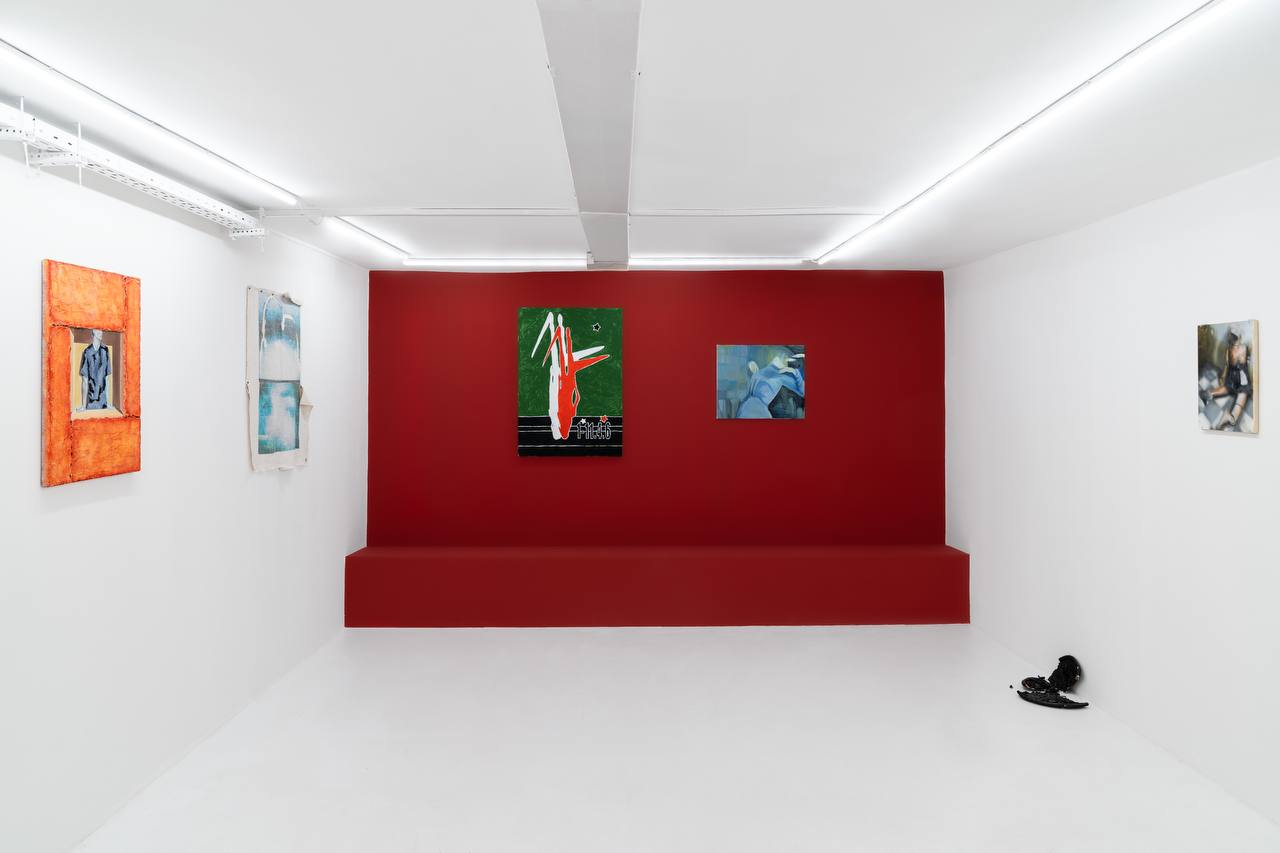

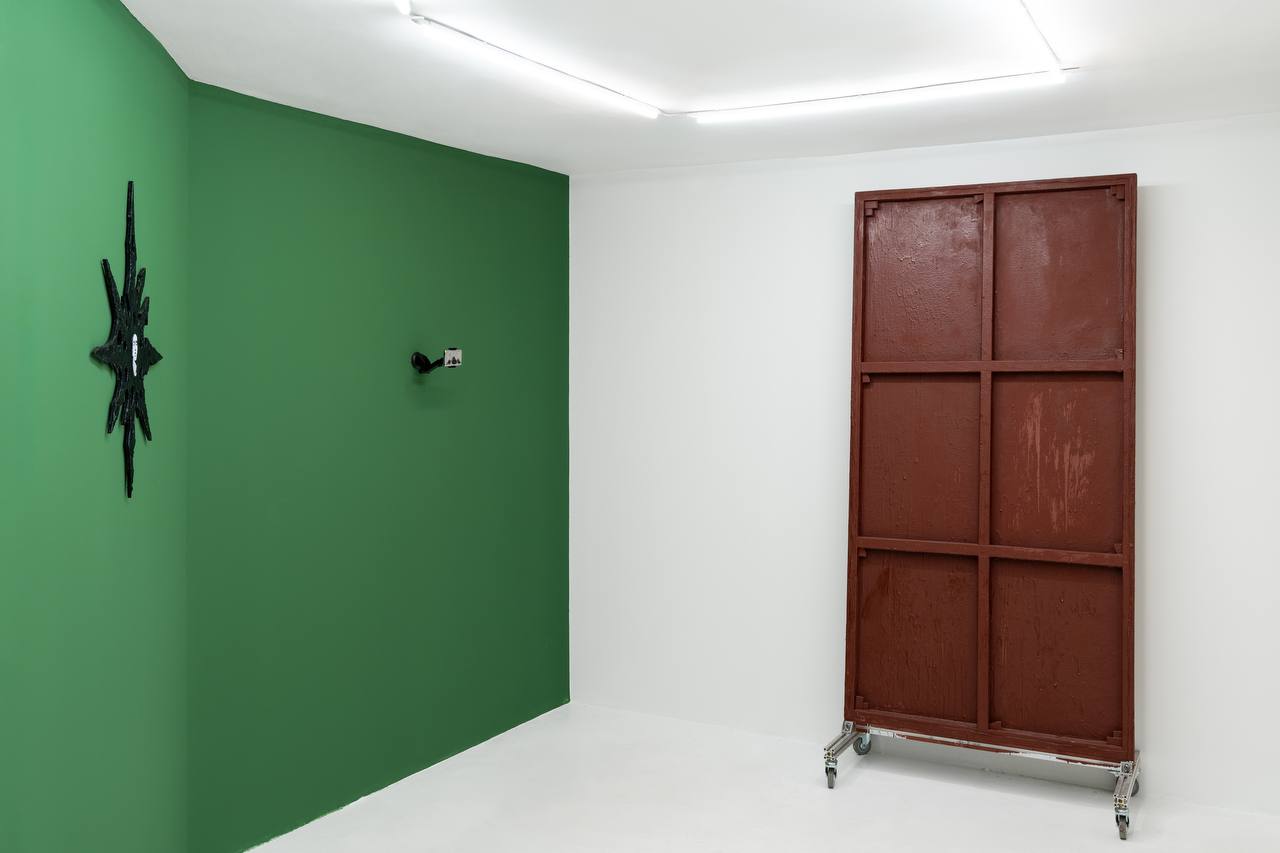
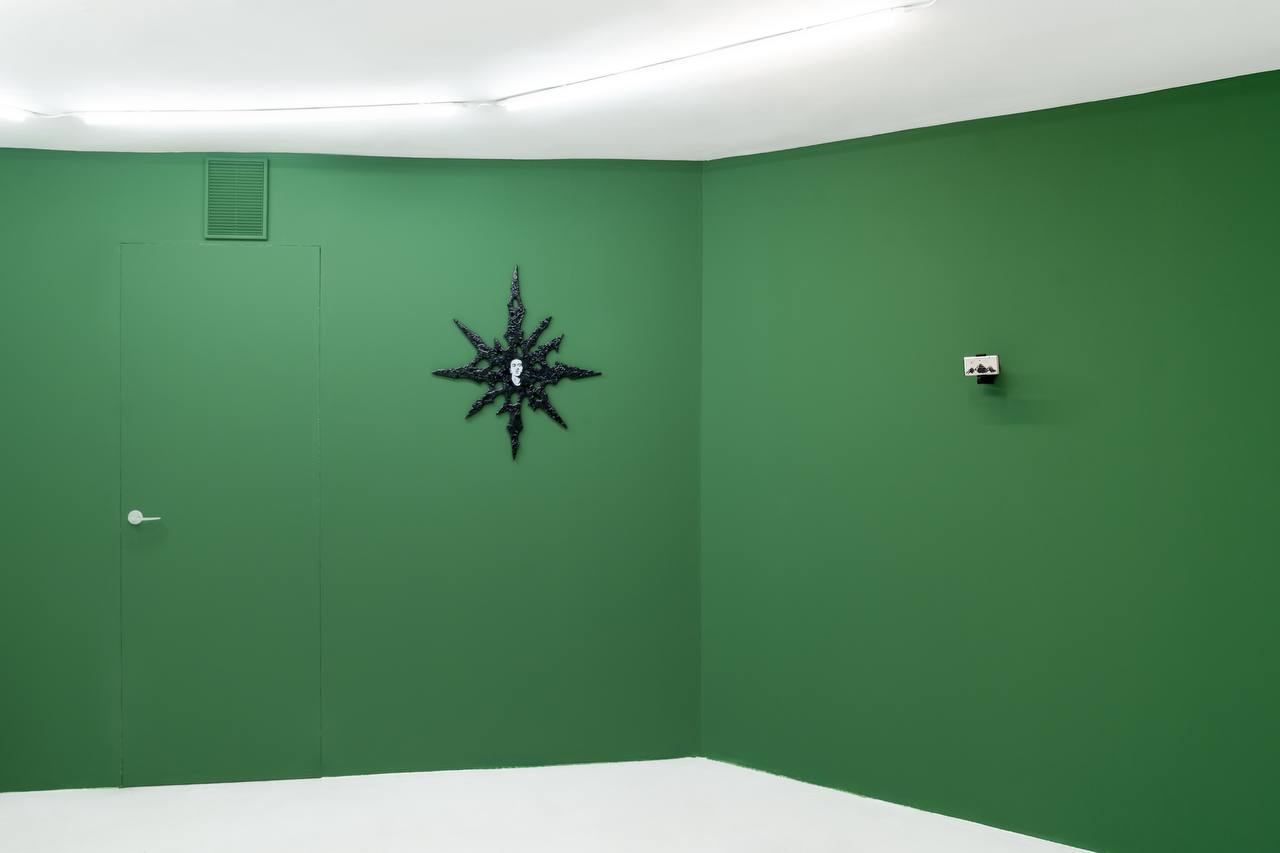
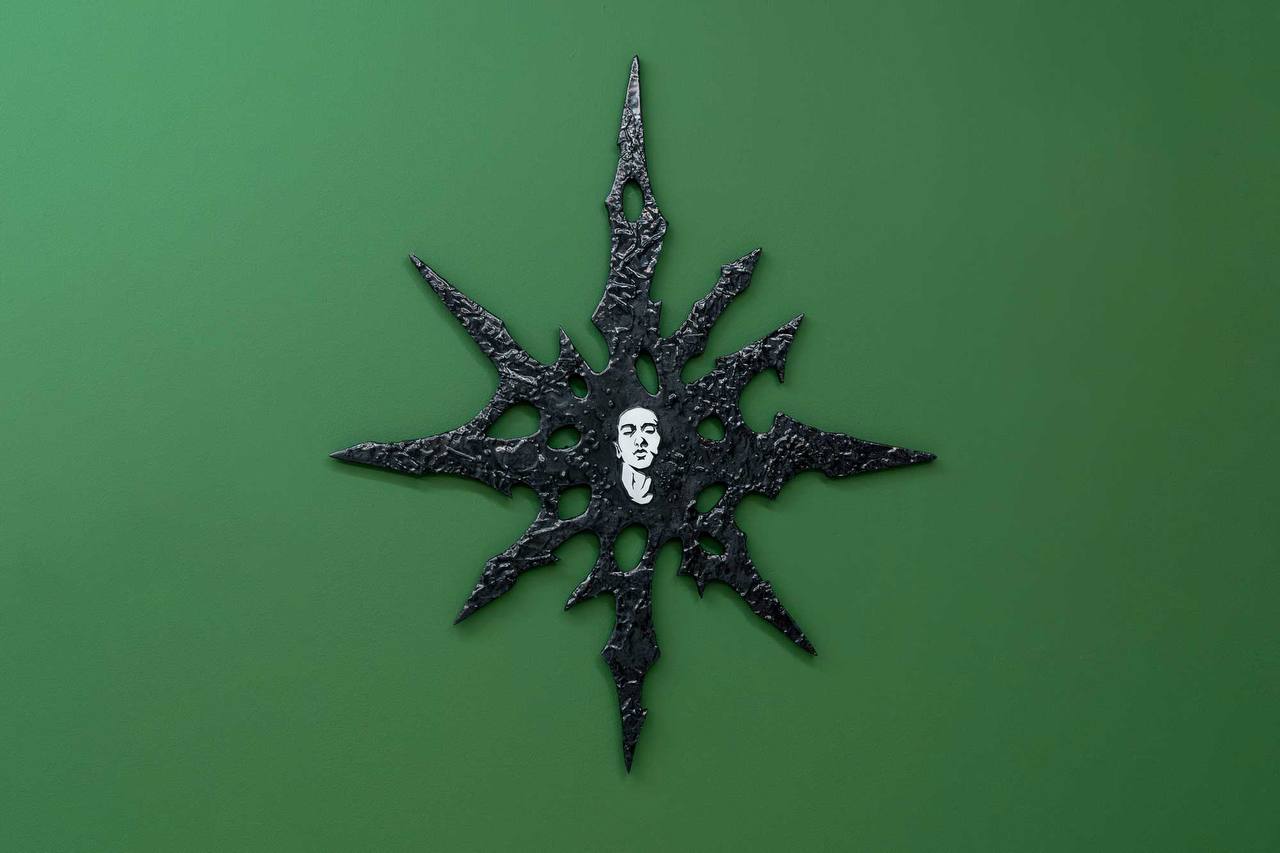


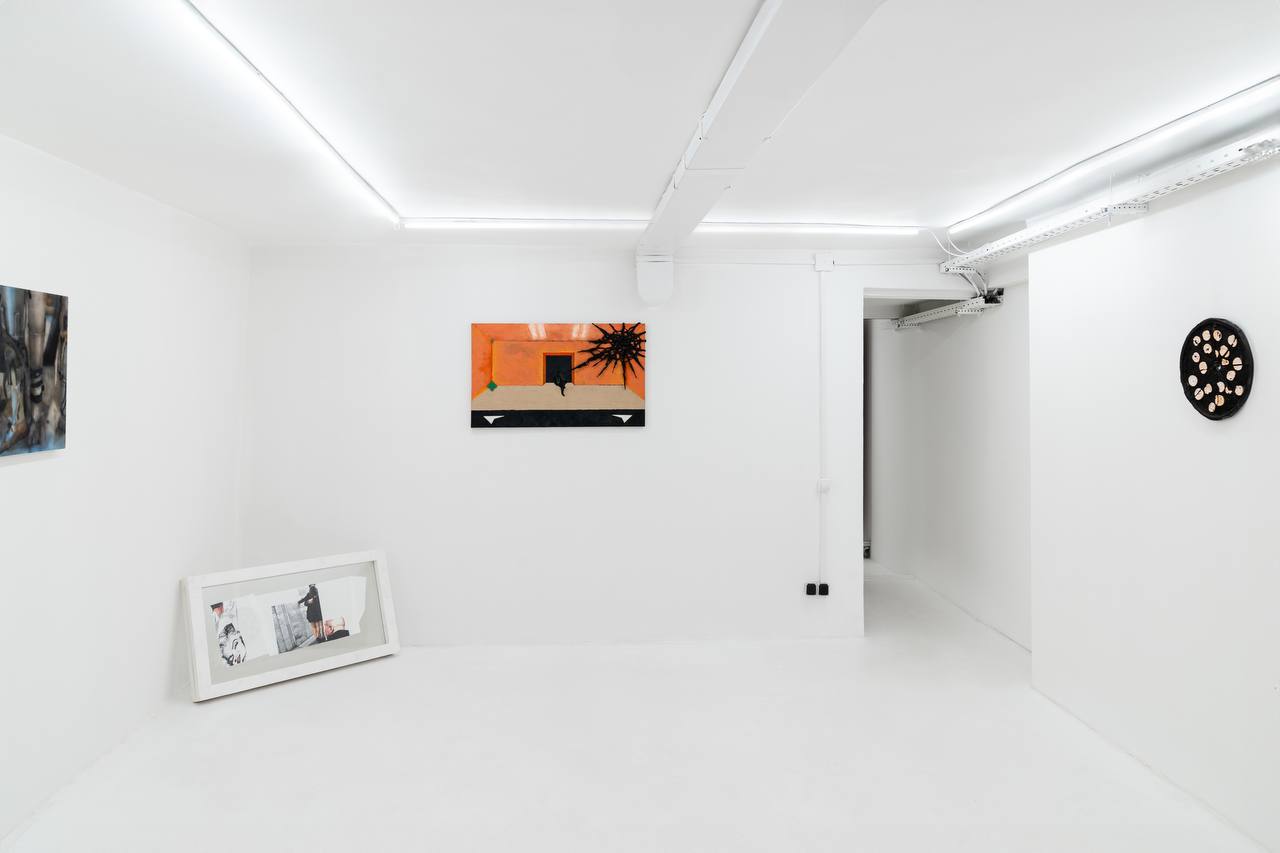
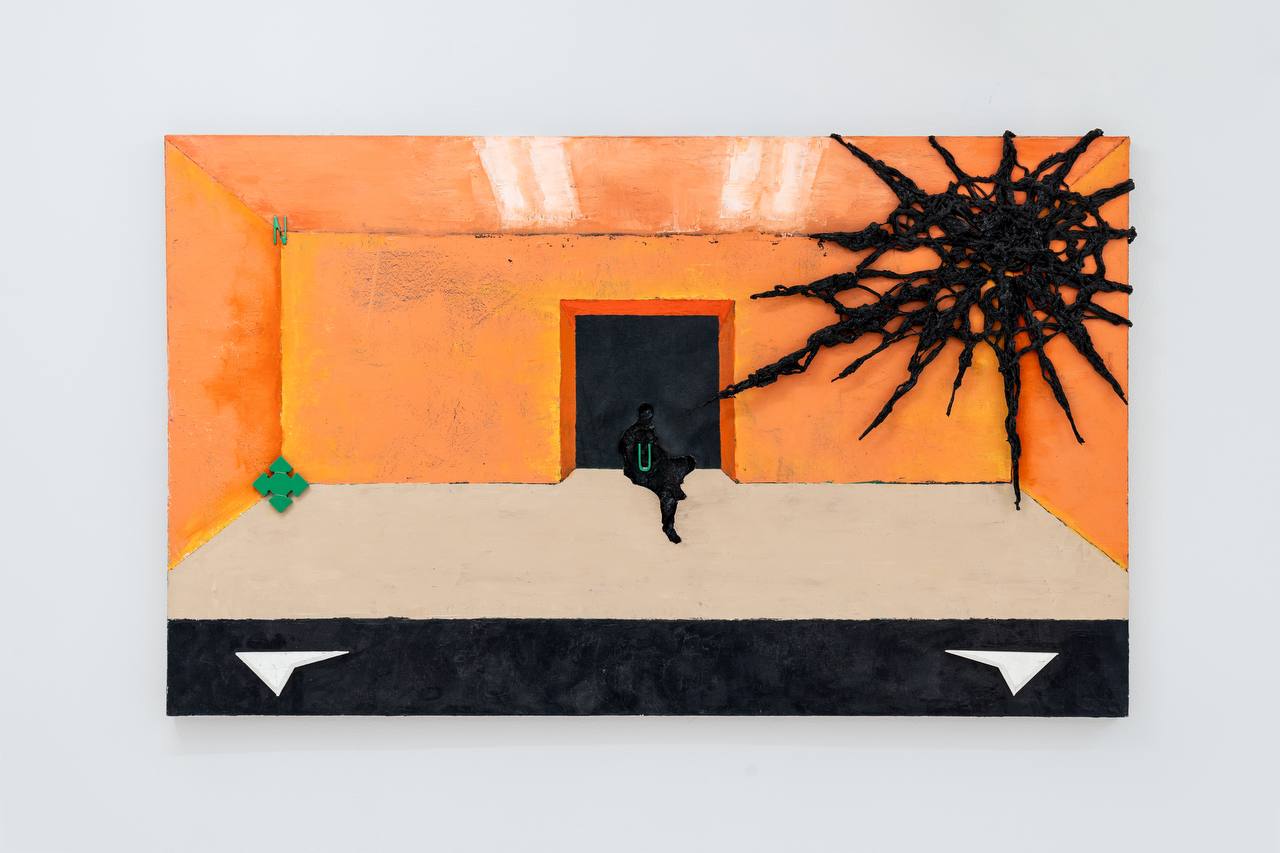

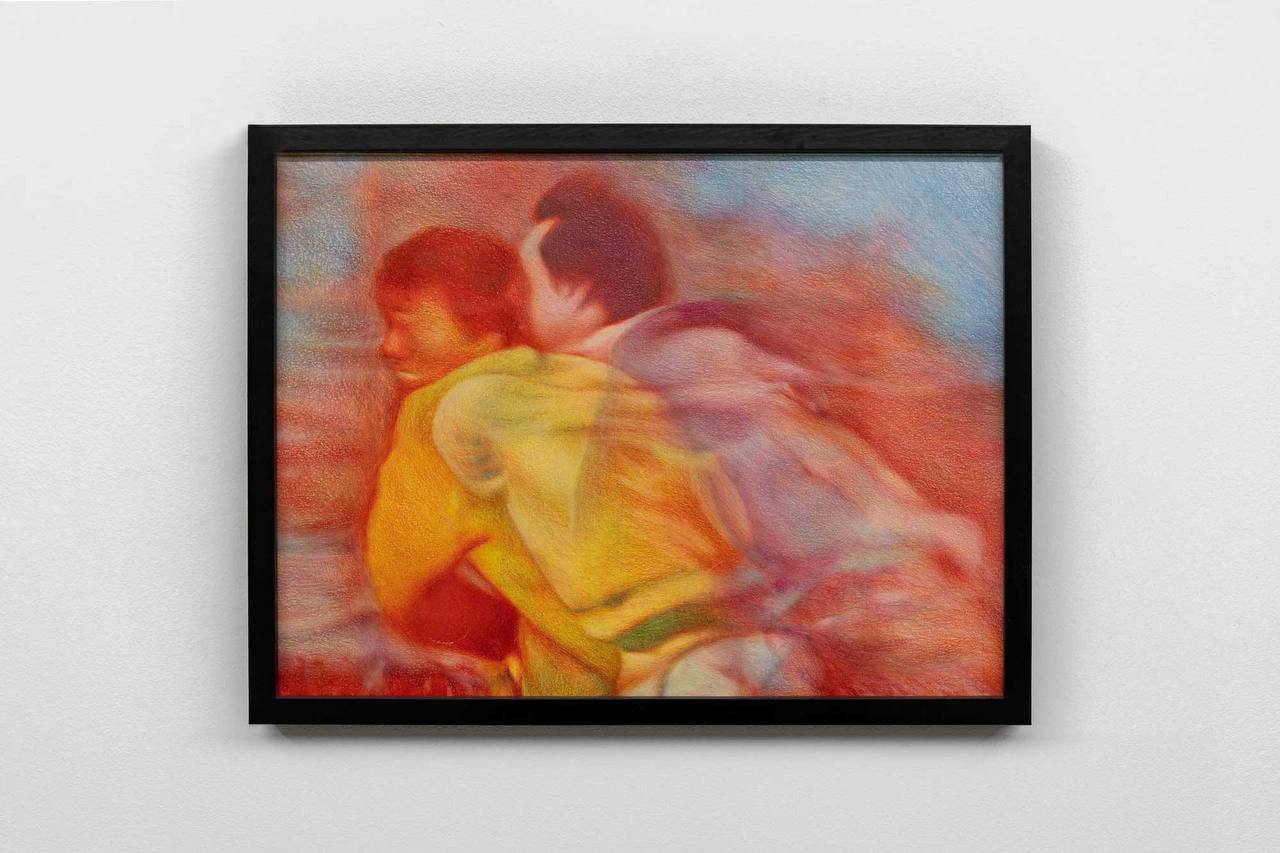

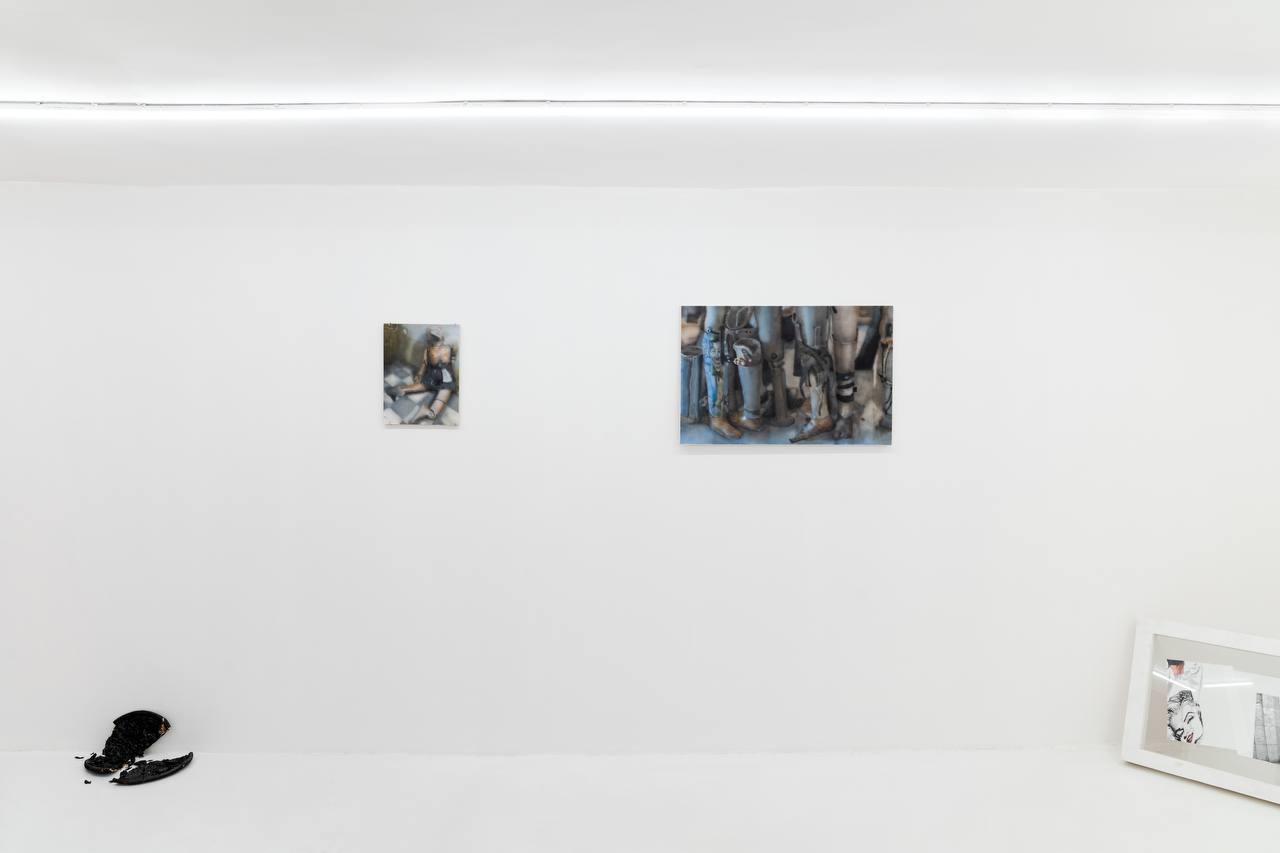

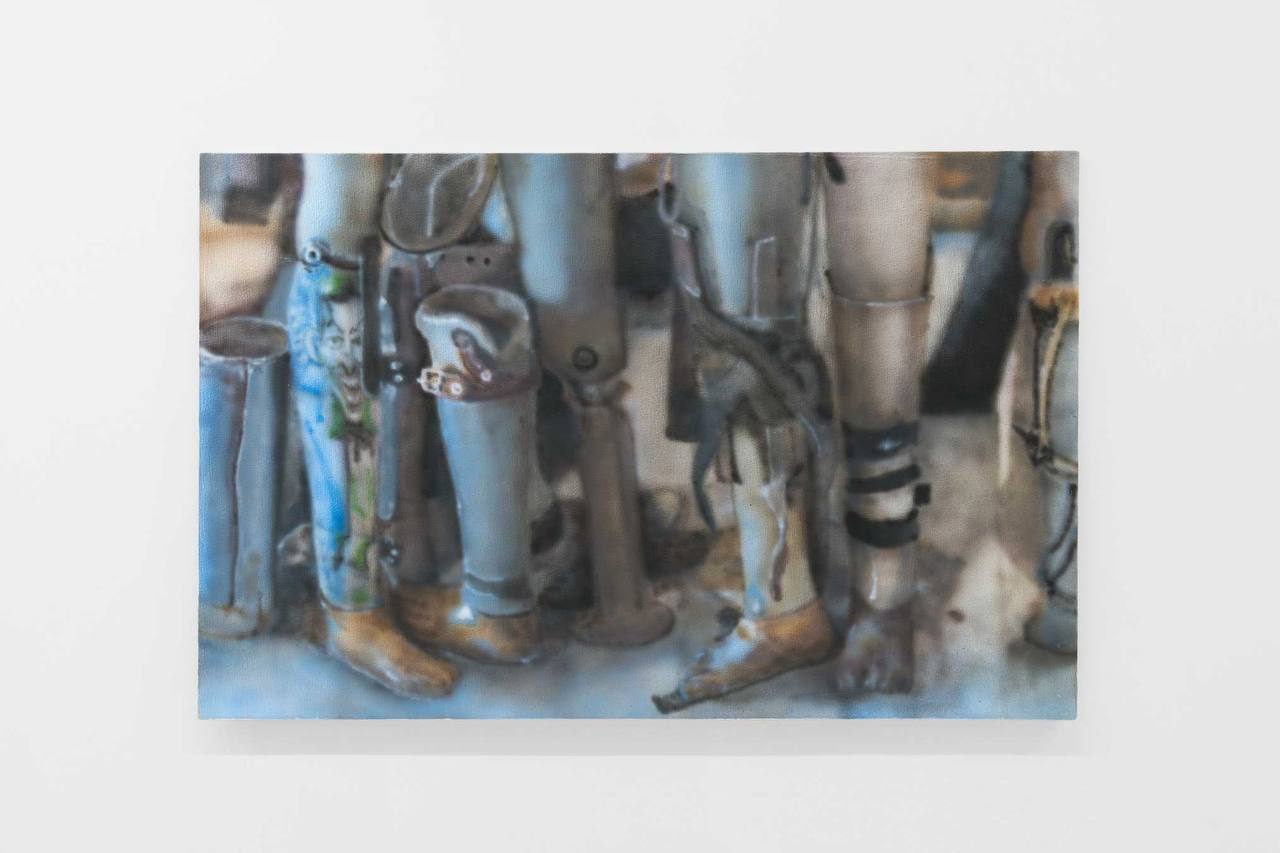
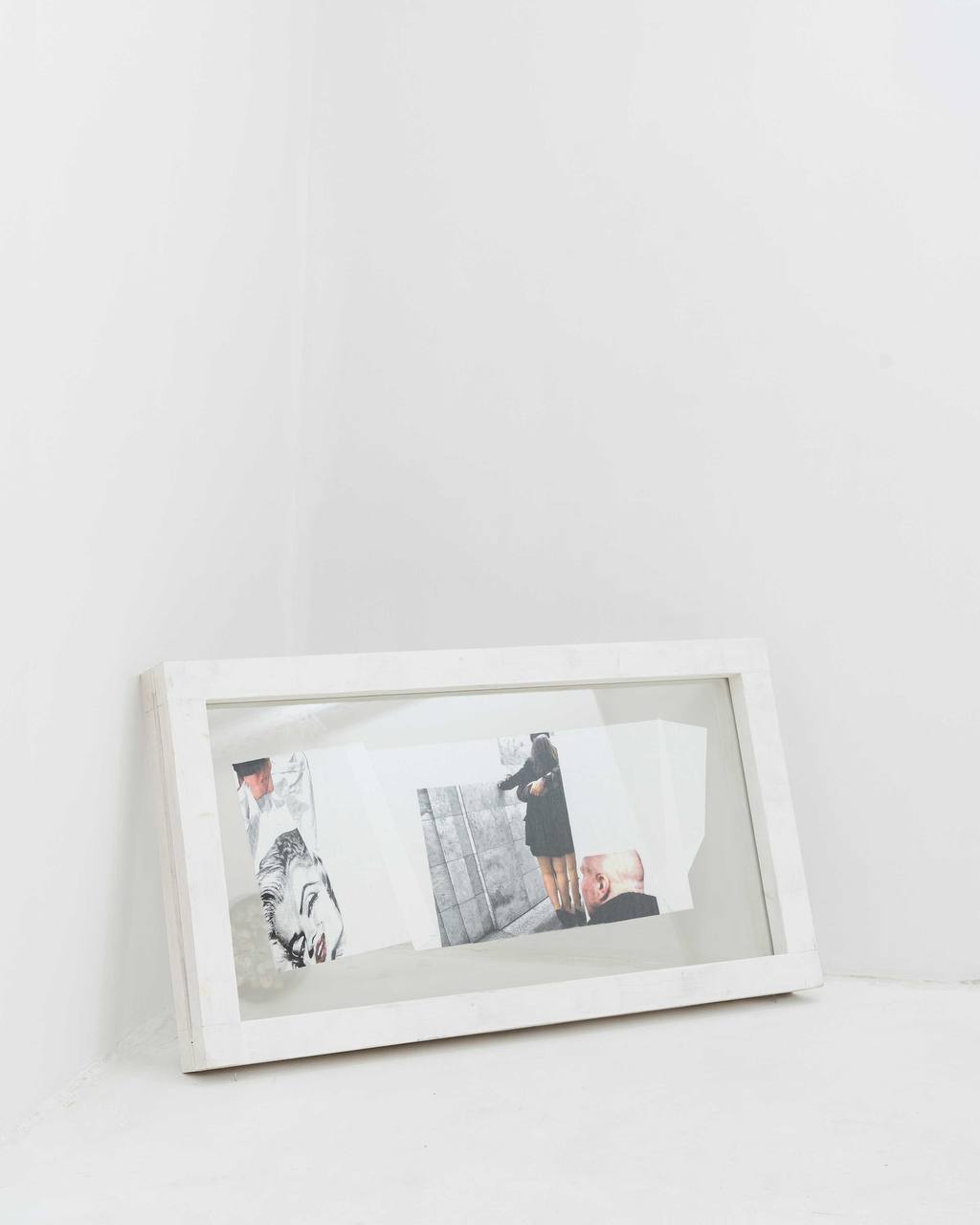
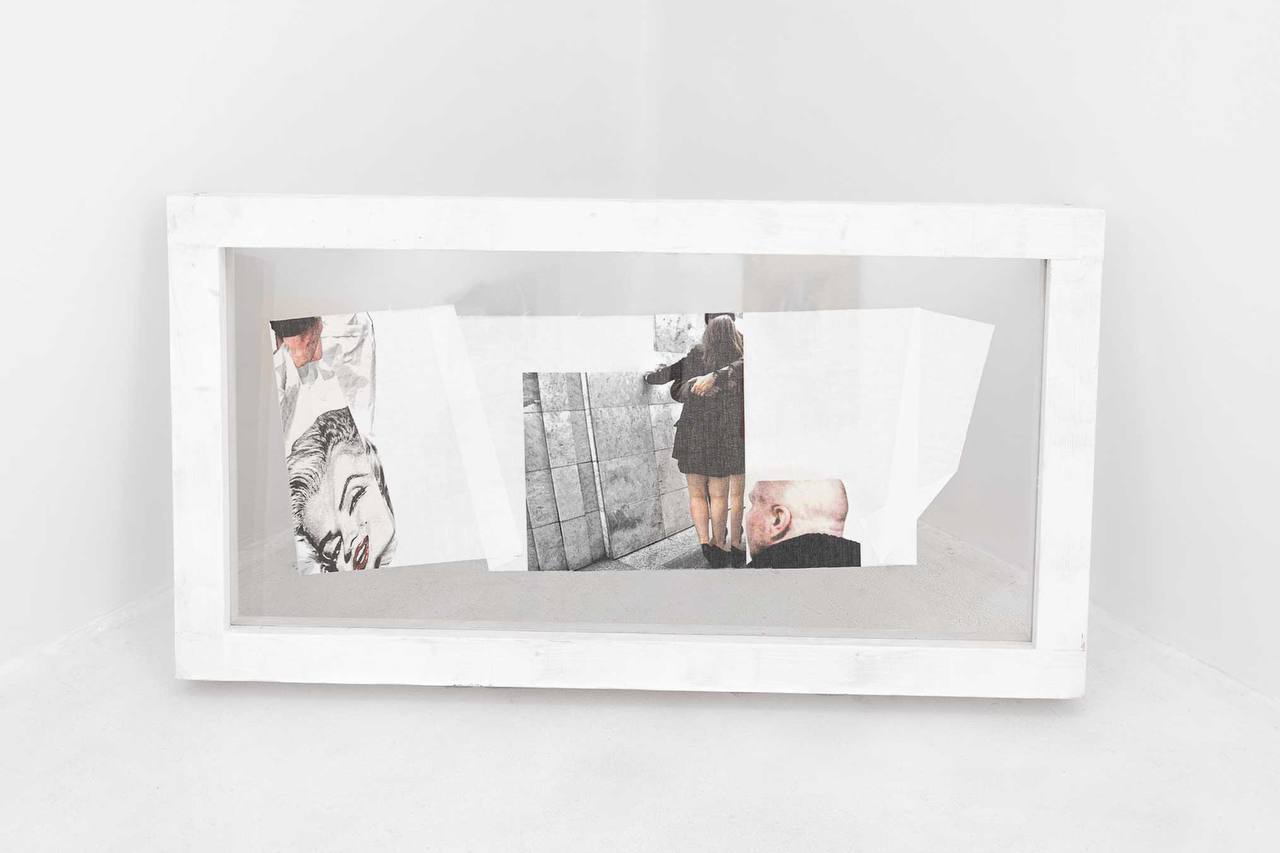


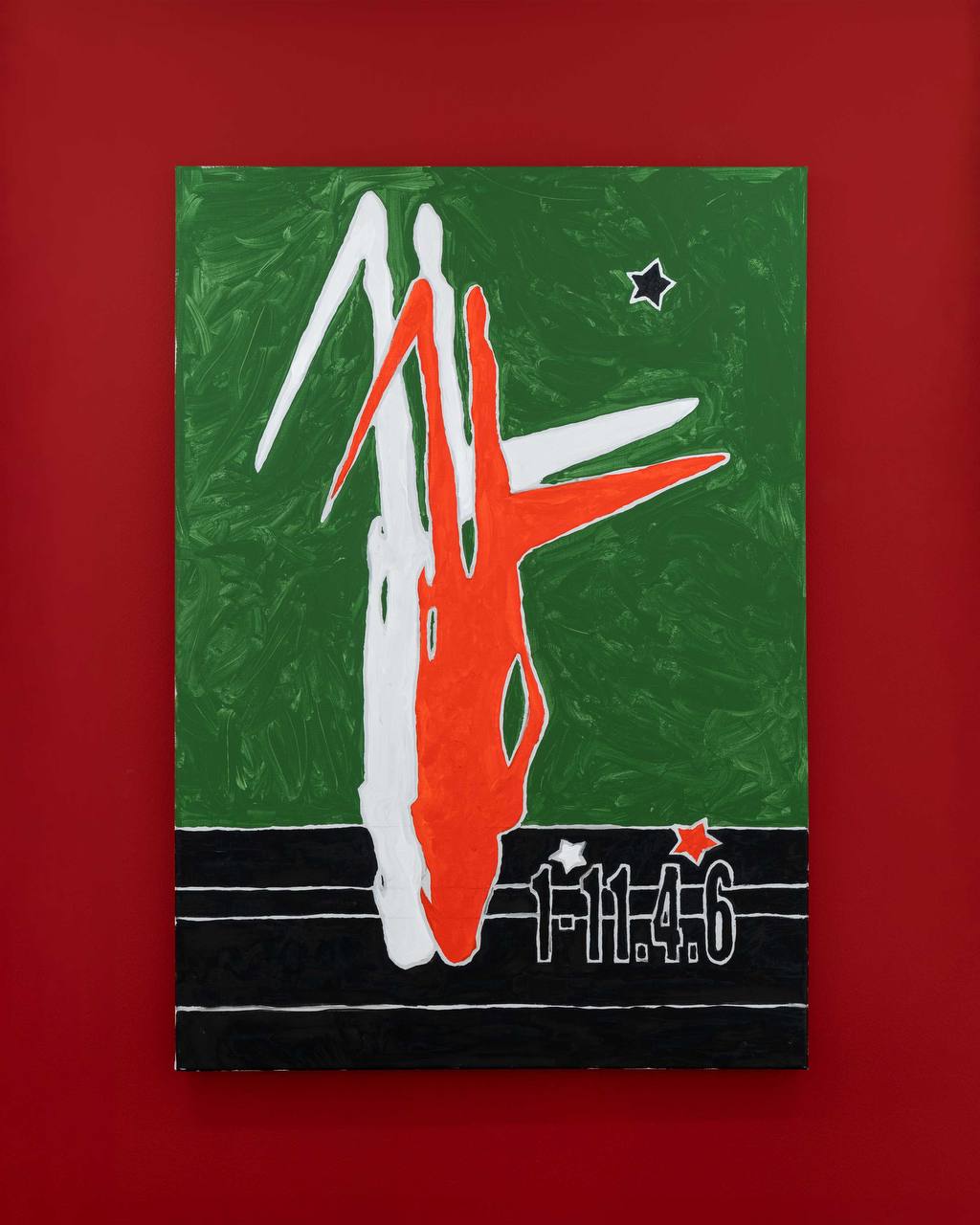
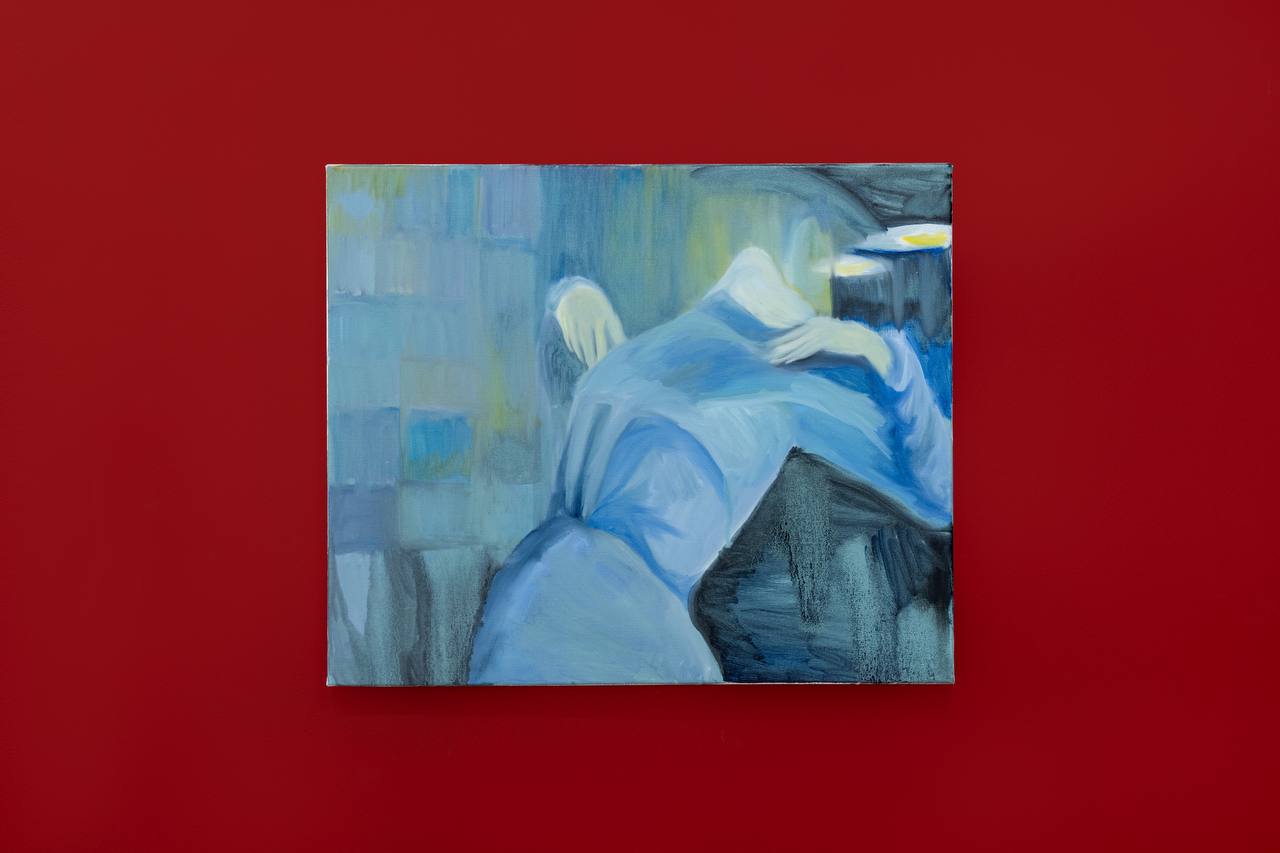
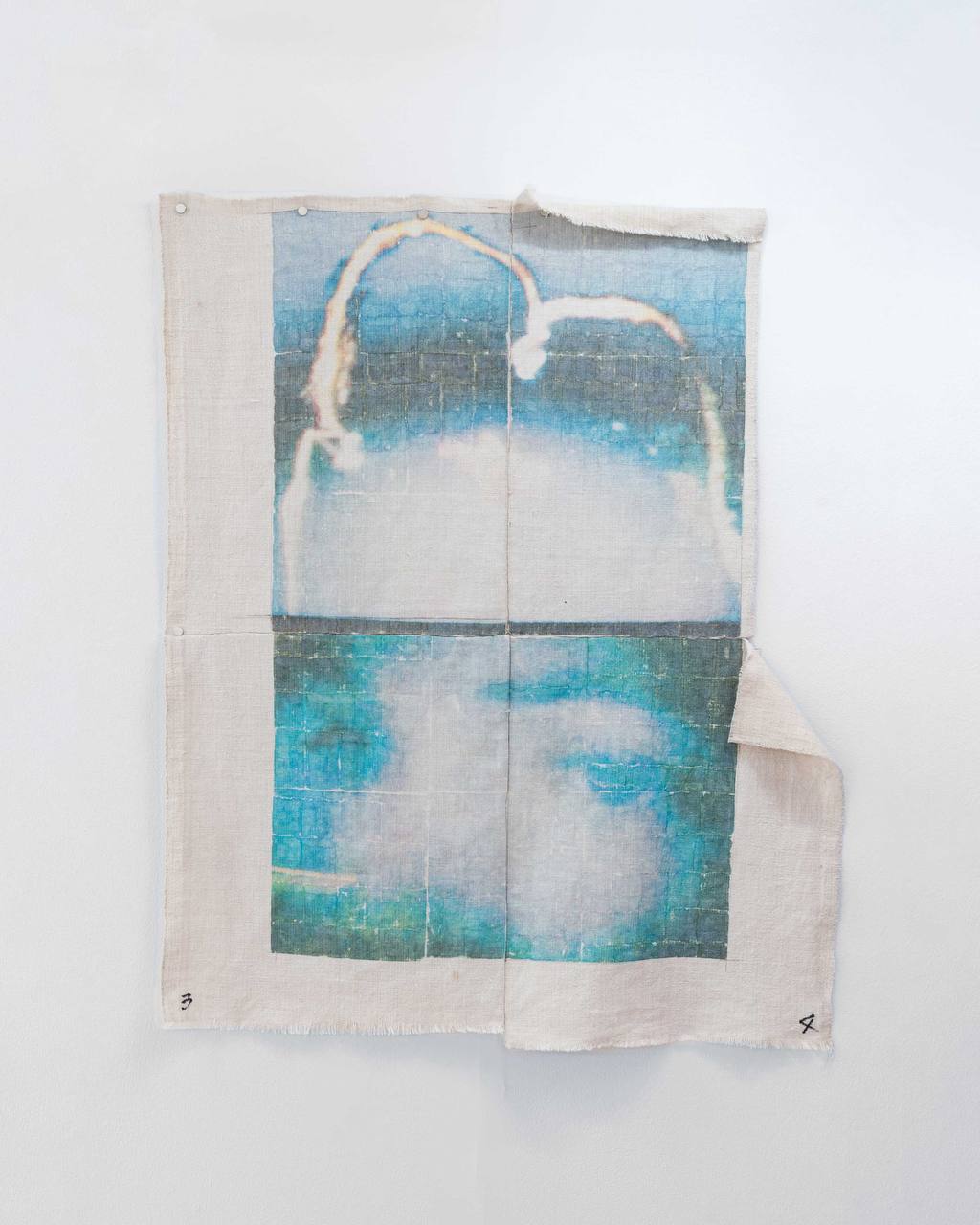
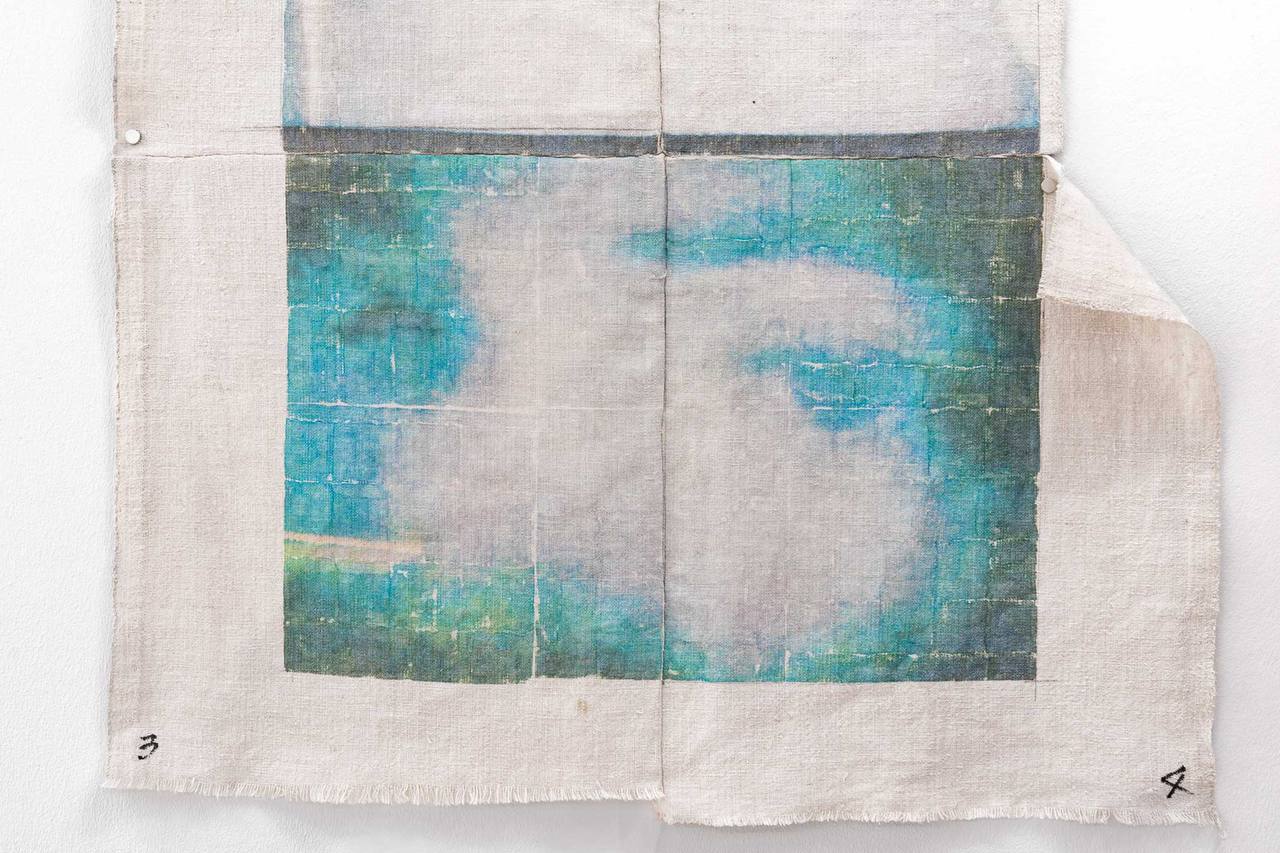
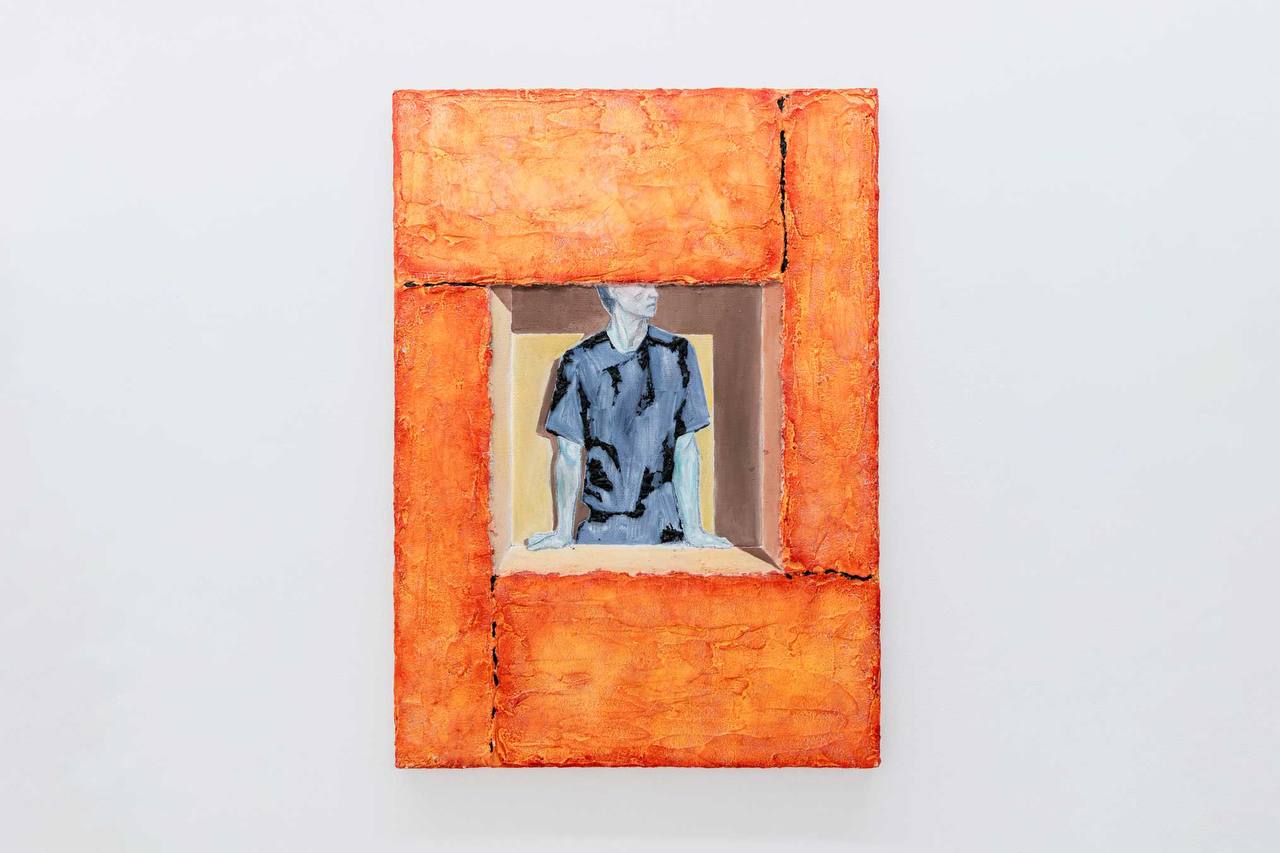
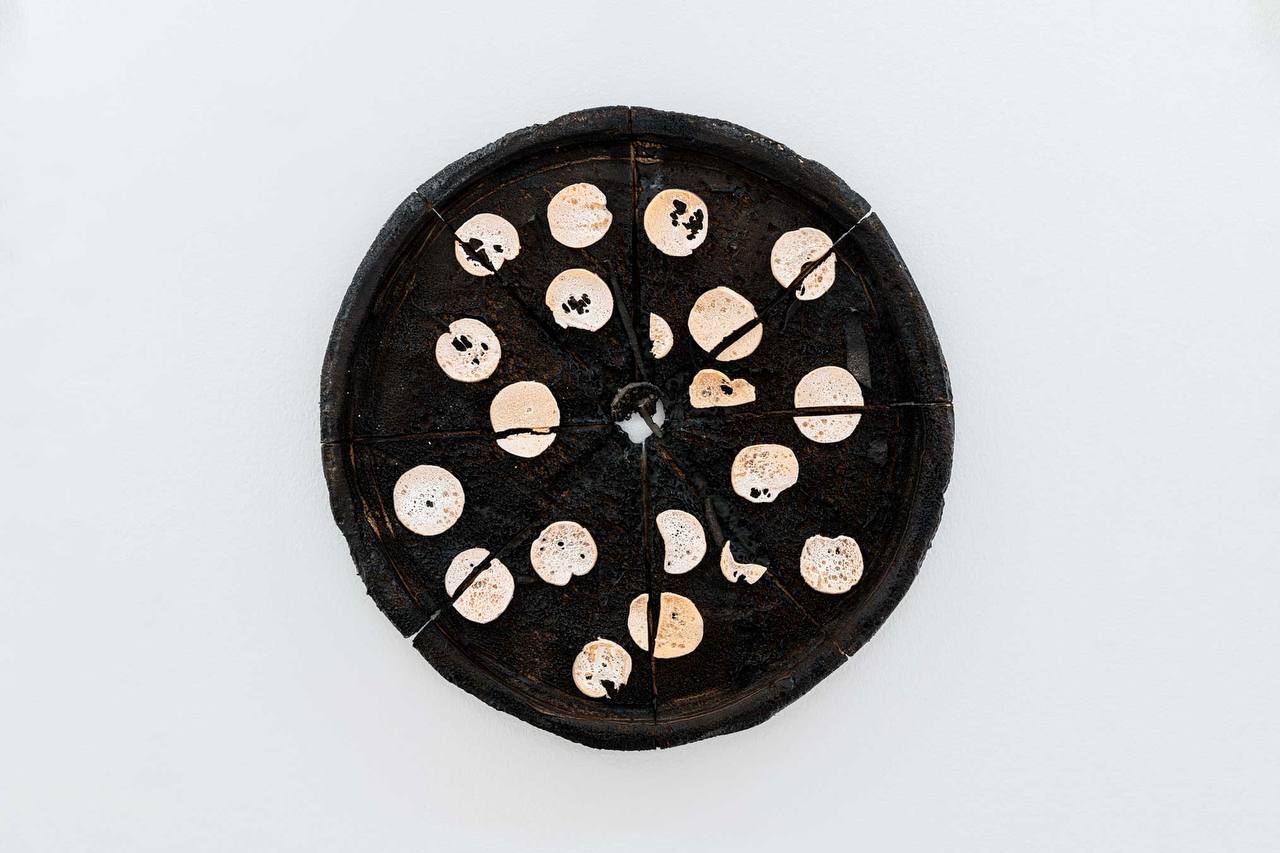
The exhibition “Good Painting” is a project dedicated to exploring two aspects of the Russian art scene simultaneously. On the one hand, it is a cross-section of eight artists experimenting with approaches and materials. On the other, it is a look at the current (rather tangled) state of the painting medium.
For over 170 years, beginning with Gustave Courbet and Édouard Manet, painting has been in a state that may be described in various ways but consistently points to its problematic nature. Throughout this time, people have spoken of its crisis, irrelevance, obsolescence as a medium, rigidity, lack of criticality, and inability to reflect its own time. Painting has died, but each time, against all odds, it has returned to life in a renewed form.
The problems of painting have forced artists throughout the 20th century up to the present day to seek new plastic languages and develop new media. In such a situation, the very act of painting became a statement on the part of the artist — critical not so much of painting itself as of the dominant artistic paradigm. Today, young artists still engage with painting — but the question remains open as to whether their approaches can help us see not only painting itself but also the reality we all live through in a new light.
It is easy to detect ironic notes in the project’s title. This irony seems to be directed at everyone at once: at the viewer, who typically has a notion of “good painting”; at the professional, who appears to be challenged to take an extremely critical stance toward what is happening; at painting itself, which for a long time needed to break the canon and become “worse and worse” in order to stay afloat.
However, what if we do not take such overt irony at face value, but instead try to seriously consider that today painting might actually be good — in other words, capable not only of successfully conveying its own relevance but also of pointing to important changes in the context? What might good painting look like today?
The trend is that the new generation of artists is no longer interested in the modernist narrative of broken painterly continuity. The death and resurrection of painting concern them no more than the plastic hierarchies into which this medium was once attempted to be fitted. In a situation of flattened networked hierarchies and the alarming number of images produced worldwide, the painted image becomes something more than an exemplar of a genre; it transcends the boundaries of the medium and begins to treat painting more as a technical support than as the progenitor of meaning.
Painting becomes an object. One of the many objects in this world. Its entire interior is broken down into individual objects: canvas, stretcher, surface, paint, brush, glue… These and other possible elements are assembled by the artist into an assemblage to produce not painting, but the picture as such — a carrier of experience and a cross-section of the world. A cross-section or a pixel — a unit of someone’s vision, a piece of a particular story. Today, painting, like Google Maps, is engaged more in digitizing the world than in itself. It is interested in places — of memory, experience, feelings — that have not been previously recorded or placed into the file cabinet of collective experience (which belongs to everyone and no one).
Good painting today is not the one that “doesn’t copy but steals”; it is the one that turns itself into an object-pixel, unfolds a piece of the world before our eyes, gives the experience of looking through the eyes of a digitizing body of another (whose name we may easily forget, confuse, or not know at all — good painting will not be harmed by this). The problems of the medium recede into the background — which means that painting emancipates itself from the burden of past claims and becomes capable of representing not so much itself as what surrounds it.
Such painting can be viewed and understood apart from the entire preceding history of art — it is capable of offering us that very possibility.
Text: Natalia Serkova